

Giant Otters (Pteronura brasiliensis) were on the brink of extinction with an estimate of just 300 individuals left in the wild in the 1980s, according to an IUCN report.
The primary cause for this population decline was poaching for otter pelt. After hunting restrictions, their numbers rebounded but now the limiting factor for the otters is a lack of fish. Everywhere in the Amazon, fish stocks are decreasing due to commercial over-fishing.

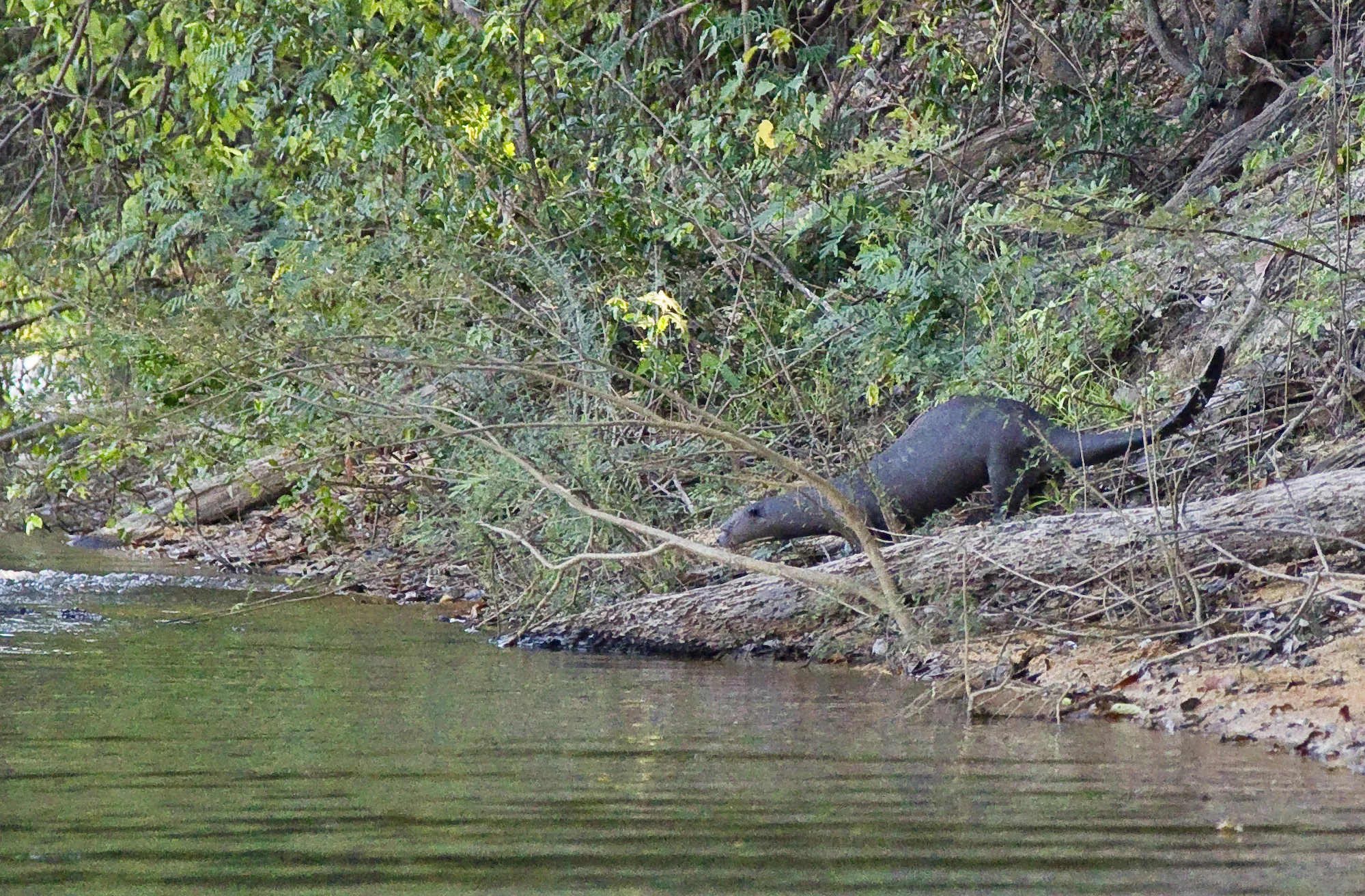
A significant population of giant otters lives in the wetlands of Cantão, in which is more than 800 oxbow lakes and extensive flooded forests and marshlands is one of the best habitat patches for this species in Brazil. Instituto Araguaia owns and maintains Privately Protected Areas in a pristine area in Cantão, and patrols the area in order to inhibit fish poachers, whose activities bring them into direct conflict with the otters. With the decline in fish poaching, the rivers and lakes in the area are teeming with fish, and we have have observed a triumphant return of the population of giant otters over the past fifiteen years. Not only the sightings became very frequent, but also the otters become increasingly familiar with our peaceful, but constant, presence. This has allowed us to observe and film them for long hours during their routines, and to better understand the population dynamics of the species.

In 2010, Instituto Araguaia initiated the first long-term monitoring of giant otters in eastern Amazonia. Since then, we have been surveying over 30 oxbow lakes and river channels in the vicinity of our research station, in the pristine forests in and around Cantão. As a result, we have unbroken giant otter population records since 2010.
Our primary objective has been to extend full protection from poaching and other threats to the stable population of giant otters that resides in this sector of the Park, as well as to the abundant fish prey on which they depend.
Over 10 years, we have performed monthly censuses of giant otters in the area, ensuring the continuity of our data set. Direct observations combined with camera traps have enabled the identification of all resident giant otter groups and individuals, as well as of their preferred denning, feeding, and breeding sites during low water season.
Results of the project have been incorporated into reserve management and into the Giant Otter National Action Plan, in whose Advisory Group Instituto Araguaia holds a seat. Images generated have been used to produce educational materials and presentations for local schools in support of giant otter conservation and the protection of Cantão.
According to our observations, which are based on the methodology established by the IUCN and described in the publication "Surveying and Monitoring Distribution and Population Trends of the Giant Otter, IUCN/SSC Otter Specialist Group", in Cantão otters dig their reproductive dens on the shores of oxbow lakes starting around July, when waters are already quite low. They birth between August and September. The young cubs emerge for the first time in October and November, which are the months of lowest water, when fish concentrations are in the dwindling lakes and channels are at their peak. This makes it easier for the adults to catch enough fish for the growing cubs, and for the cubs themselves to learn how to catch fish. The entire group, including non-reproductive adults which are usually older siblings to that year's cubs, collaborates to catch enough fish for the youngsters.
The results were published in 2022 in the IUCN Otter Specialist Group bulletin and in 2015 in the Latin American Journal of Aquatic Mammals
“the future is uncertain, but there is hope”


Periscope up!
The Instituto´s project “Giant Otter Monitoring and Population Dynamics” has received technical advise from Dr. Nicole Duplaix, Chair of IUCN’s SSC/Otter Specialist Group, as well as from Dr. Rob Williams and Dr. Christof Schenck from the Frankfurt Zoological Society (FZS).